Creative Journaling with Lined Junk Journal Pages
There is a specific kind of magic in the tactile experience of pen on paper. In a digital world dominated by pixels and screens, the act of writing—whether it is for planning, creative brainstorming, or memory keeping—grounds us. For designers, marketers, and creators, a journal is not just a notebook; it is a workspace for the mind. This is where the utility of high-quality design assets becomes apparent. We often focus on digital assets like vector packs or premium fonts, but the foundation of analog creativity lies in the paper itself. Enter Lined Junk Journal Pages, a resource designed to bridge the gap between functional organization and vintage aesthetic appeal.
The Anatomy of the Kit
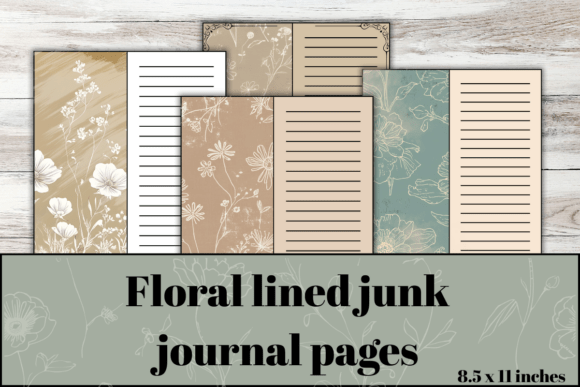
When we talk about "junk journaling," we are referring to a style of scrapbooking and journaling that embraces imperfection, layering, and a vintage feel. It is about creating a repository for thoughts, ephemera, and memories that feels lived-in and authentic. The Lined Junk Journal Pages kit is designed specifically for this purpose. Sized at a generous 8.5 x 11 inches, these pages provide ample space for extensive note-taking, sketching, or pasting in clippings without the cramped feeling of smaller pocket journals.
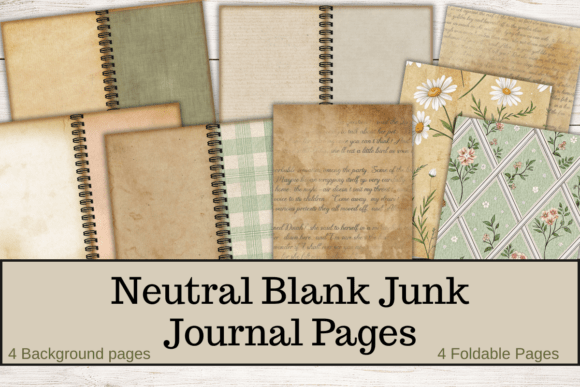
The kit includes 4 decorative lined filler pages. While four pages might sound minimal, in the context of junk journaling, these serve as high-quality "filler" or signature pages that break up the texture of other materials in your journal. They are not just blank sheets; they are decorative assets. The visual style typically leans toward a vintage typography aesthetic—often featuring distressed textures, soft color palettes, and decorative borders that mimic aged paper. This style provides a "canvas" that already has personality, saving you the time of artificially aging your paper later.
Visual Characteristics and Appeal
The personality of these pages is distinctly nostalgic. Unlike a stark, white, modern business notebook, these pages have warmth. They often feature subtle background textures that suggest history and use. The lines are usually softer than standard ruled paper, perhaps drawn in a sepia or faded grey tone, making them less aggressive on the eyes. This creates a relaxed environment for writing. The "junk" aesthetic is forgiving; it encourages creativity without the pressure of perfection. If you make a mistake, it blends into the texture. If you spill coffee on the corner, it looks intentional. This visual style is perfect for creative font experimentation, allowing you to pair handwritten notes with script fonts or serif fonts that you might be testing for a client project.
Strategic Applications for Creators and Professionals
While these pages are designed for personal creativity, their utility extends into professional workflows. For the designer or brand strategist, a junk journal is an excellent tool for "low-fidelity" brainstorming. Before opening Adobe Illustrator or Figma, sketching out logo design concepts or brand identity mood boards by hand can unlock ideas that feel more organic and unique.
Here is how different professionals can leverage Lined Junk Journal Pages:
- Content Creators and Bloggers: Use the lined pages to draft long-form content outlines. The vintage aesthetic can help shift your mindset away from sterile corporate writing toward a more storytelling-focused approach, which is highly effective for audience engagement.
- Marketers and Entrepreneurs: utilize the pages for "offline" strategy sessions. Disconnect from email and map out your next campaign or product launch. The tactile nature of writing can improve memory retention of your plans.
- Publishers and Authors: These pages are excellent for character development or world-building notes. The lined format keeps handwriting legible, which is crucial when you need to reference your notes later.
- Crafters and Hobbyists: Obviously, these serve as the backbone of a physical junk journal. You can print them, fold them into signatures, and bind them to create a custom planner or diary.
Technical Considerations and Print Quality
One of the most critical aspects of working with printable design assets is understanding the technical requirements for output. The kit is optimized for 8.5 x 11 inches, the standard letter size in the US, making it accessible for home printers.
However, a crucial piece of advice for obtaining the best results involves your printer settings. The design of Lined Junk Journal Pages relies on subtle color gradients and textures to achieve that vintage look. Just a reminder to please keep in mind that depending on your printer, you may need to adjust the color settings for a more vibrant print. Home inkjet printers can sometimes wash out subtle tones or oversaturate darks. It is highly recommended to do a test print on a single sheet before printing the entire kit. Adjusting the saturation or contrast in your printer's advanced settings can make the difference between a flat-looking page and a vibrant, textured paper that feels like it came from a stationery store.
Furthermore, paper choice matters. While standard copy paper works, printing these pages on a heavier cardstock (like 80lb or 100lb cover) will enhance the durability and the "premium" feel of the journal. This prevents ink bleed-through if you plan to use markers or glue for collaging.
Integrating Typography and Layout
For those interested in modern typography and editorial design, these pages offer a unique playground. The lines provide a natural grid. This is an opportunity to practice font pairing in a physical medium.
Consider this practical exercise: Print a page and use it to hand-letter a header using a style inspired by a display font or a bold sans serif font. Then, write the body text in your natural handwriting or a style mimicking a handwritten font. This helps you understand visual hierarchy—how the eye moves from the headline to the body text—in a very intuitive way. It translates directly to digital skills used in web design and social media graphics.
The "junk" aspect also teaches us about layering. In packaging design and social media graphics, depth is created by overlapping elements. On these journal pages, you can glue a business card over the lines, tape a receipt next to your notes, or stamp a logo in the margin. This creates a mixed-media experience that digital tools struggle to replicate authentically.
Conclusion: A Tool for Analog Focus
In an era of constant digital distraction, Lined Junk Journal Pages offer a retreat. They are more than just paper; they are a framework for creativity. Whether you are a small business owner planning your next quarter, a designer sketching out a brand identity, or a crafter preserving memories, the combination of the vintage aesthetic, the functional 8.5 x 11 size, and the lined format provides a versatile asset. By paying attention to print settings and paper quality, you can transform these digital files into a tactile tool that enhances your workflow and sparks new ideas.