Understanding the Abstract Shape Seamless Pattern
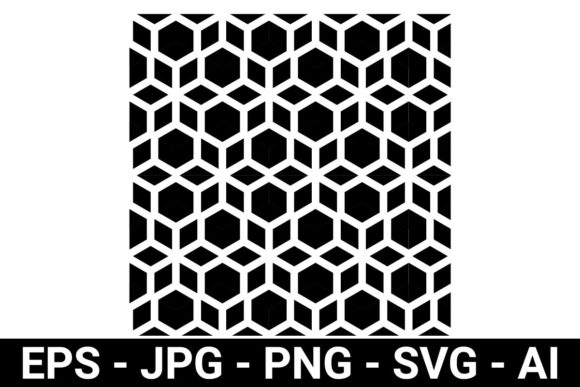
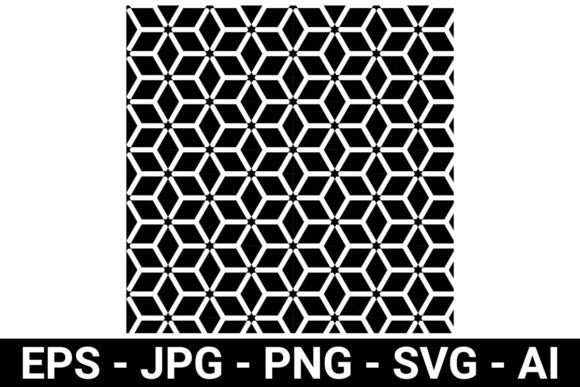
In the world of digital design, we often find ourselves trapped between the need for professional polish and the reality of tight deadlines. This is where the Abstract Shape Seamless Pattern steps in, not just as a file, but as a solution. It’s easy to dismiss background assets as secondary, but seasoned designers know that the texture and geometry behind your main subject set the entire mood. This collection, which includes AI, EPS, SVG, JPG, and PNG formats, offers a sophisticated blend of Islamic geometry and modern abstraction. It’s a versatile toolkit featuring triangles, hexagrams, and intricate weave designs that can transform a flat canvas into a dynamic visual experience.
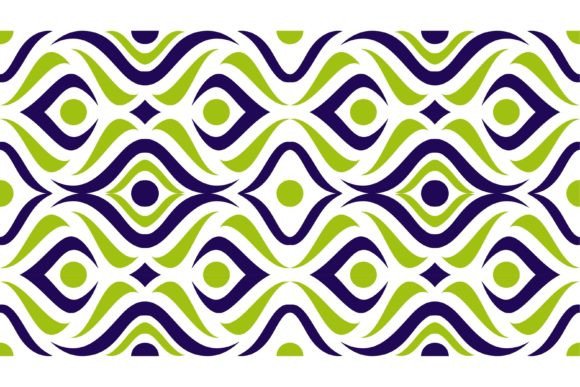
What makes this specific bundle so appealing is its ability to bridge the gap between traditional ornamentation and modern minimalism. The visual language speaks of precision. You have the repetitive nature of grid layouts mixed with the fluidity of arabic-inspired curves. Whether you are looking for a monochrome backdrop for a corporate presentation or an ornate texture for a luxury brand, the geometry here is designed to be mathematically perfect. The seamless nature means you can scale these patterns from a small business card to a massive billboard without ever seeing a visible seam line. It’s a technical requirement that often gets overlooked by amateurs, but it is the bedrock of professional print design and large-format digital assets.
Visual Personality and Style
Let’s talk about the aesthetic character of these patterns. We aren't dealing with random blobs or messy textures here. The Abstract Shape Seamless Pattern leans heavily into structure. Think of the repetition found in ceramic tiles or the fence-like precision of diagonal line work. There is a strong sense of order, yet the abstraction allows for creative freedom. The "personality" of this asset is confident and elegant. It doesn't scream for attention; rather, it holds the viewer’s gaze through rhythm.
The versatility of the style is its strongest asset. On one hand, you have patterns that feel deeply rooted in history—reminiscent of oriental textile weaving or islamic architectural motifs. These carry a weight of culture and tradition, perfect for projects that require a sense of heritage or depth. On the other hand, the use of zigzags, diamonds, and hexagrams creates a very modern graphic vibe. This duality allows you to use the same asset for a high-end packaging design for a tea brand and a futuristic tech startup’s social media graphics. The monochrome options ensure that the pattern supports your content rather than overwhelming it, maintaining a clean hierarchy in your editorial design.
Practical Applications for Creators and Brands
For the entrepreneur or the small business owner, the utility of a high-quality seamless pattern cannot be overstated. It is the secret weapon for creating a cohesive brand identity. Instead of hunting for stock photos that everyone else is using, you can utilize this vector-based pattern to create a unique visual signature. Imagine a web design background that subtly reinforces your brand’s geometry, or a series of Instagram posts where the weave pattern ties the visual story together. Because the folder includes SVG and EPS files, you have infinite scalability. You can resize these for a favicon or a vehicle wrap without losing a pixel of quality.
Here are a few specific scenarios where this collection shines:
- Textile and Fabric Design: The "weave" and "tile" descriptors are literal. If you are a crafter or a fashion designer, these vectors translate beautifully onto physical materials. The repeating nature ensures that when the pattern is printed on fabric, it creates a continuous flow.
- Publishing and Editorial Layouts: Using a full-bleed photo is standard, but using an abstract geometric background can make typography pop. A diagonal grid pattern behind a pull quote in a magazine adds a layer of sophistication that plain white space cannot achieve.
- Digital Product Mockups: If you sell digital goods, you need to present them in a way that feels premium. A subtle, elegant ornament background helps frame your mockups, making the product look more tangible and valuable.
Integrating Patterns into Your Workflow
One of the biggest hurdles in design is "analysis paralysis." You have the files, but how do you actually use them? The key to working with the Abstract Shape Seamless Pattern is understanding opacity and scale. Just because the pattern is bold doesn't mean it has to be at 100% opacity. Often, the most professional look comes from fading the pattern back to 10% or 20%, allowing it to act as a subtle texture—a "whisper" of design rather than a shout.
When it comes to font pairing, you need to balance the complexity of the background with the simplicity of your typography. Since these patterns involve geometry and lines, pairing them with a clean sans serif font usually works best for body copy to ensure readability. However, for headers, a bold display font or even a serif font with high contrast can stand up to the busy background. Avoid using highly detailed script fonts or handwritten fonts directly over the most intricate parts of the pattern, as the visual noise will make the text illegible. Instead, use a solid color block or a semi-transparent overlay to create a "safe zone" for your text.
Licensing and Asset Management
Before you download and start creating, it is vital to understand the nature of commercial fonts and assets. While this article focuses on the design utility, the practical reality of business requires attention to licensing. Ensure that the license for your Abstract Shape Seamless Pattern covers your specific intended use—whether that is for physical merchandise (like mugs or shirts) or strictly digital goods. Most premium assets are royalty-free, but "royalty-free" does not mean "free of charge" or "unrestricted." Always read the fine print to protect your business.
Finally, organization matters. Since you are receiving a ZIP folder with multiple file types (AI, EPS, SVG, JPG, PNG), set up a proper asset management system. Don't just dump these onto your desktop. Create a folder for "Background Assets" and sub-folders for "Geometric" or "Textures." When you are in the middle of a deadline, being able to quickly locate the correct vector file or high-res PNG will save you hours of frustration. Treat these patterns not as throwaway decorations, but as core components of your design assets library. They are the building blocks that will help you maintain consistency and professionalism across every project you touch.